“Digital Detox”: Humanity’s Struggle with the Smartphone
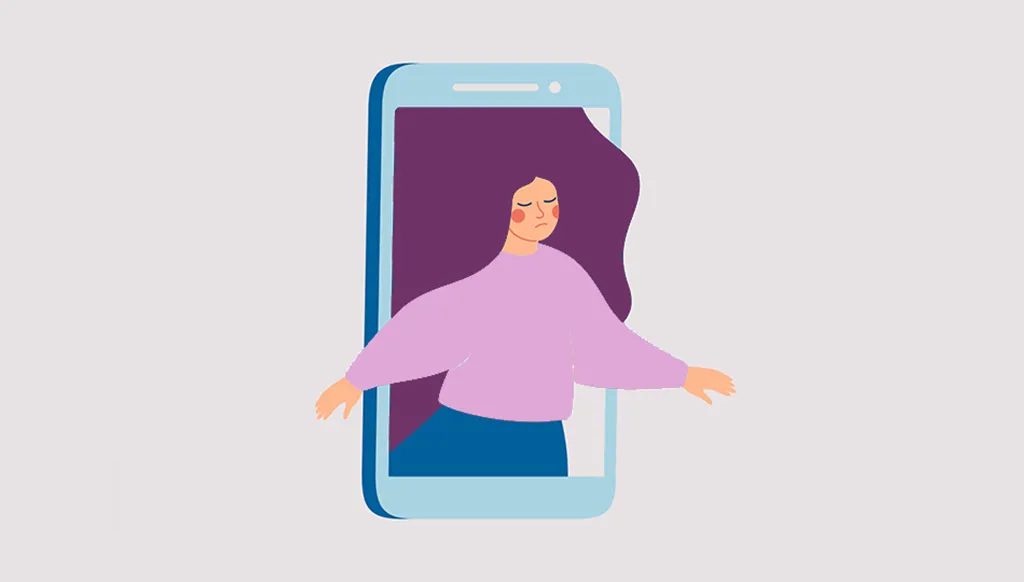
A new kind of diet is gaining attention—one that may be even harder to follow than any traditional food diet: staying away from your phone. Smartphones have become almost like an extension of the human body, something many people find impossible to live without. Yet some are attempting what is known as a Digital Diet or Digital Detox.
Amani was one of them. She decided to impose strict rules on herself and shared the idea with her friends, setting a 21-day phone-free challenge as if it were an international treaty that could not be broken. She began with enthusiasm, describing the first few days as a “real challenge.”
However, she admitted to An-Nahar: “Despite the strict rules I set for myself, deep down I knew I could go back to my phone at any moment—and that’s exactly what happened. After just three days, I picked it up again without feeling any guilt.”
Amani cannot really be blamed. She is far from an exception. The truth is that disconnecting from the digital world is no longer easy. Smartphones have become deeply embedded in our daily lives and even in our sense of identity. Recent studies suggest that the average user checks their phone up to 96 times a day—roughly once every ten minutes. This makes any attempt to stay away from a device incredibly difficult and helps explain why many people fail to maintain a long-term digital detox.
According to Rawiya Aitani, a specialist in self-relationship and personal identity, we are living in an era where “something is stealing us away from ourselves without us even noticing.”
She explains: “Social media is no longer merely a means of communication. It has become a space for comparison, emotional exhaustion, and the constant reprogramming of our minds according to standards that are not our own. Every image enters your brain, every like touches your subconscious, and every scroll leaves a small mark on the way you see yourself.”
This, she says, helps explain the growing popularity of concepts such as Mental Detox and Digital Diet.
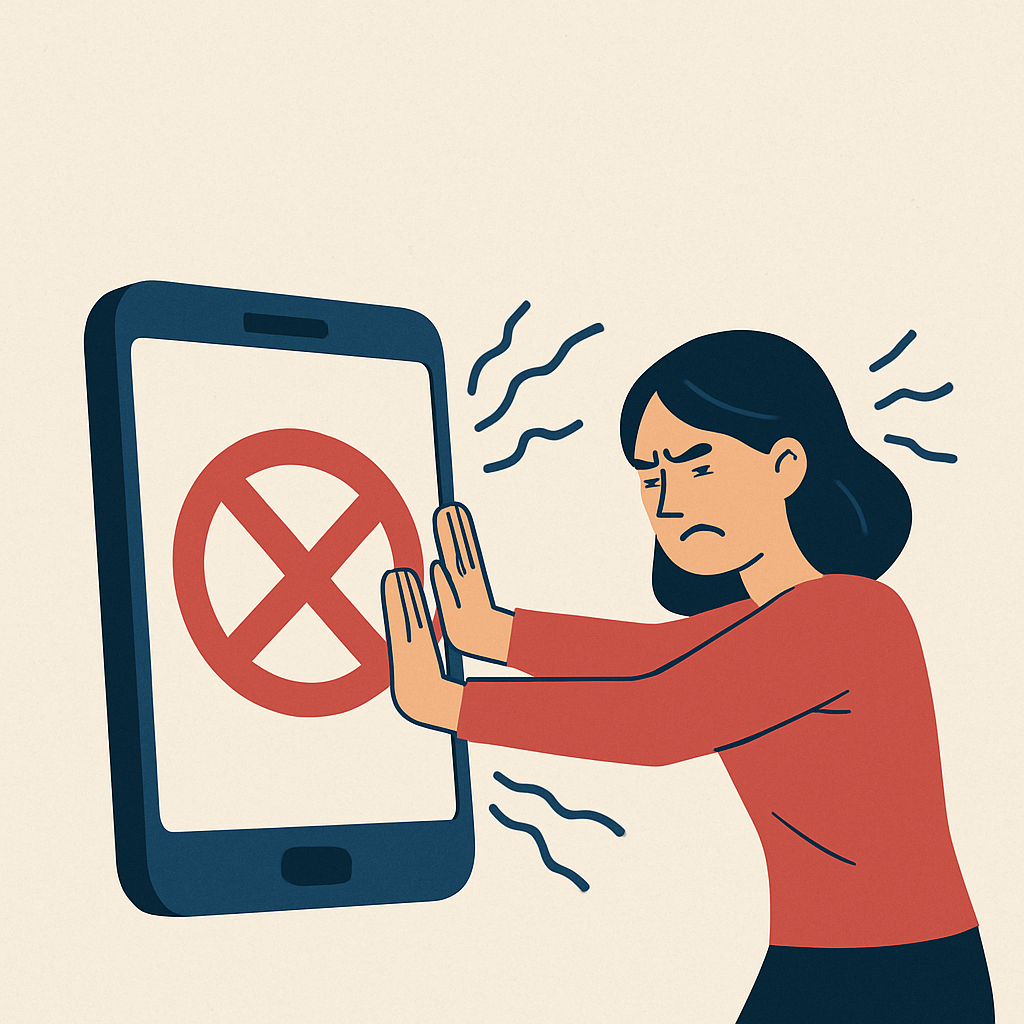
“It is a conscious decision to filter out external noise and regain the ability to hear our own inner voice. It is not about depriving ourselves of social media but about restoring balance. The reality is that every image, every like, and every scroll shapes our minds and influences our self-image without our awareness. The result is constant comparison, internal pressure, and an increasing feeling that we are not enough.”
Yet the challenge extends beyond wasted time.
A scientific review involving more than one million participants, Social Media Use, Mental Health and Sleep: A Systematic Review with Meta-Analyses, found a clear association between excessive social media use and higher levels of anxiety and depression, as well as sleep disturbances. The issue is not simply staying up late in front of a screen. It is also linked to what researchers call information overload—the continuous stream of notifications, images, and updates that keeps the brain in a state of constant alertness and negatively affects sleep quality.
A more recent study published in BMC Public Health goes even further, suggesting that excessive virtual interaction may directly contribute to insomnia, even among individuals who would not be classified as internet addicts. The outcome is often the same: poorer sleep quality, increasing fatigue, and a gradual decline in psychological well-being over time.
As for where to begin, Aitani believes that both the body and the mind send clear signals.
“We naturally start looking for a mental detox when psychological discomfort appears after spending long hours on social media. Suddenly, we realize that those hours were not merely entertainment. They were often a way of escaping an inner void, avoiding difficult tasks, or simply killing time.”
However, she emphasizes that every minute spent away from these platforms opens the door to new possibilities.
“We can use that time to build something new, watch educational lectures, engage in meaningful activities, or revisit priorities we have long postponed. Most importantly, we can create space to reconnect with ourselves, listen to our inner voice, and ask: What do I truly want?”
This step may not be easy, and many people may experience setbacks similar to Amani’s, giving in to the powerful pull of their phones and the temptations they offer. Yet the experience itself remains worthwhile. It serves as a reminder that stepping away—even briefly—is possible.
After all, few people succeed on their first attempt. But every attempt brings greater awareness of our choices and offers another opportunity to restore balance between our digital lives and our authentic selves.