“Phone Call Anxiety”: Why Are Some People Afraid to Answer the Phone?
Our mobile phones rarely leave our sides. We carry them as though they are extensions of our bodies, turning to them in good times and bad, seeking comfort, love, and reassurance through them. Yet despite this deep and constant connection, there is a striking paradox: some people are afraid of phone calls.
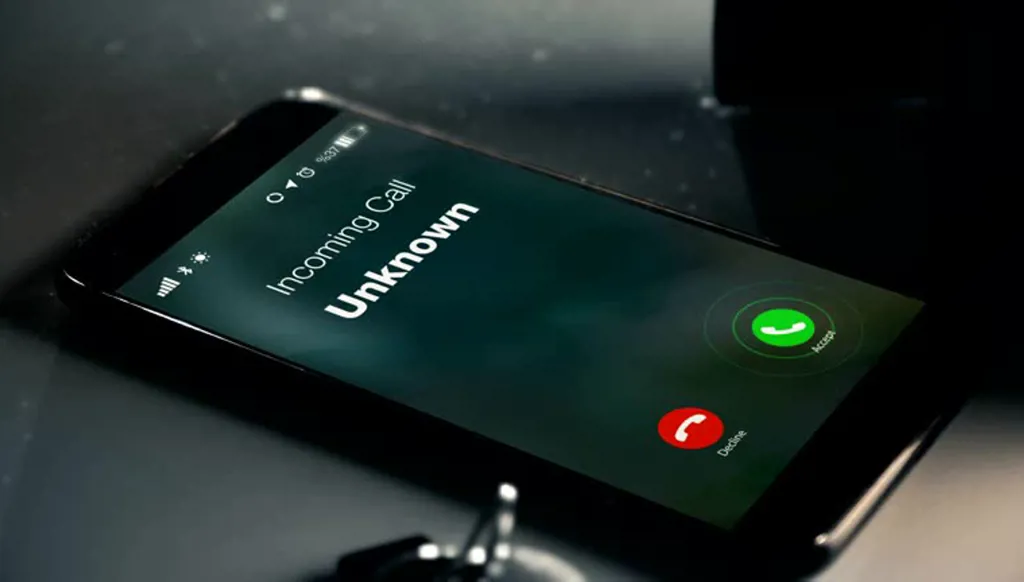
For many, the sound of a ringing phone is enough to make their heart race—even when the caller is someone familiar and close. If the number is unknown, the anxiety often intensifies. Silence becomes anticipation, and answering feels like a burden.
Many of us have, at some point, chosen to let the phone ring until it stops on its own. We stare at the screen, wait for a text message, postpone the interaction, as though delaying the response somehow makes communication easier. But what is it about phone calls that makes them feel so overwhelming?
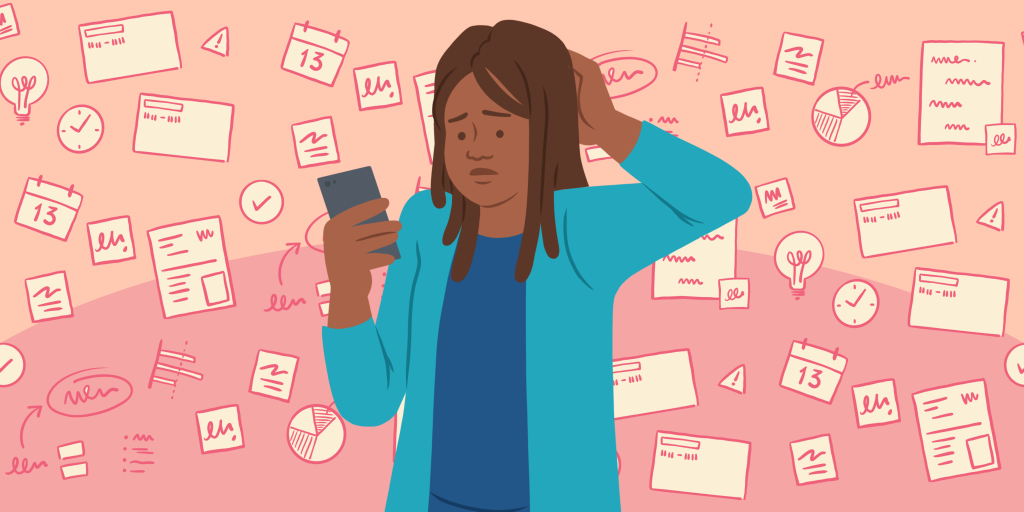
The Fear Is Not the Phone—It’s What Lies Behind It
According to Rawiya Aitani, a specialist in self-relationship and self-image, this fear has little to do with the device itself and everything to do with what it awakens within us.
“The real fear is not the phone,” she explains. “It’s the feeling it triggers—the tension of direct interaction and everything that can happen when we hear another person’s voice without filters.”
Drawing on her experience in Neuro-Linguistic Programming (NLP), Aitani says that people who avoid phone calls are not afraid of the ringtone itself, but of what may follow: an uncomfortable question, an unexpected moment of awkwardness, or even a tone of voice they do not know how to respond to.
Sometimes, the reason runs deeper. It may stem from an unpleasant memory, a difficult experience, or a request they once found impossible to refuse.
The Phone as a Form of Social Pressure
For many people, a phone call represents a form of social pressure.
“It’s as if someone has entered your world without asking permission,” Aitani says. “They are demanding an interaction that you did not choose—neither its timing nor its format.”
This often triggers a subtle form of resistance: if we cannot control the context, we may choose not to participate at all.
Many of us recognize this dynamic. When people around us repeatedly pressure us with obligations or requests we have already declined, the phone can become a final tool of persuasion—as if they are saying, “If you won’t agree face-to-face, perhaps you’ll give in over the phone.”
A Quiet Rebellion
At a deeper level, the fear of phone calls may reflect a broader fear of expression itself—of speaking openly, revealing ourselves, and engaging in direct conversation.
Perhaps it is a quiet rebellion against a form of communication that gives us no time to think, carefully choose our words, or hide our vulnerabilities behind a written message or a perfectly selected emoji.
What a Phone Call Reveals
Phone calls reveal things.
They expose the anxiety, uncertainty, and feelings of inadequacy we often try to conceal. Sometimes, all that lies beneath the fear is a simple need to feel safe before engaging in conversation.
For this reason, Aitani prefers not to view phone anxiety as a phobia that necessarily requires treatment. Instead, she sees it as an internal signal—a message saying:
“I am uncomfortable. Help me understand why.”
The fear that disguises itself as silence is not always weakness. Often, it reflects a desire for control, clarity, and the basic right to choose how and when our voices are heard.
Perhaps fear of phone calls is nothing more than a small mirror in which we see ourselves without masks. As Carl Jung famously said:
“Who looks outside, dreams; who looks inside, awakens.”
And perhaps, when we find the courage to answer that ringing phone, we begin a small journey toward inner awareness—one that does not fear the voice on the other end, but listens to what lies behind it.